
This article was sponsored by GardePro.
If you’re buying your first trail camera for deer hunting, it’s easy to get distracted by megapixels, video resolution, and other features on the box. But one of the most important decisions has nothing to do with image quality: how are you going to check the pictures?
Say you’ve placed a camera along a deer trail on property you visit every weekend. Walking in to swap an SD card may be no big deal. But if that same camera is on a hunting lease two hours away, making a special trip just to check photos gets old quickly. And if you only want to download pictures without opening the camera, a local WiFi connection might be enough.
That’s what really separates basic SD card, WiFi, and cellular trail cameras. Most use SD cards to store images, but they offer different ways to access those images. Understanding that difference can save you money, reduce unnecessary trips into your hunting area, and help you choose a camera that fits the way you actually hunt.
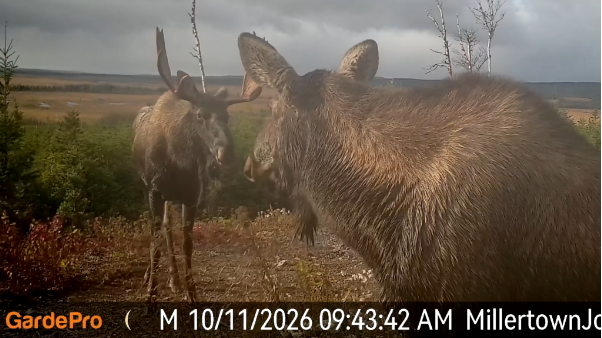
SD Card Trail Cameras: Simple, Affordable, and Reliable
A basic SD card trail camera is about as straightforward as it gets. You install the batteries and memory card, choose your settings, and strap the camera to a tree. When an animal triggers the motion sensor, the camera captures a photo or video and saves it to the SD card.
No cellular signal, WiFi network, or internet connection is needed. The camera records independently until you return to retrieve the images.
For many first-time hunters, this simplicity is a major advantage. There are no cellular plans to activate or remote connections to troubleshoot. Once the camera is set up properly, you can leave it in the field and check the results on your next visit.
This makes basic non-cellular trail cameras a practical starting point for hunters who can access their camera locations regularly. They are especially useful on private hunting land close to home, where checking a camera can be part of an ordinary scouting trip rather than a special journey.
Another advantage is cost. Without a cellular connection, there are no monthly data fees for transmitting photos. If you’re planning to set up several cameras around a property, that can make a meaningful difference over a full hunting season.
The trade-off is that you must physically visit the camera to see what it has recorded. Some hunters carry spare SD cards and swap them during each visit, which makes checking cameras easier.
However, frequent trips can become a problem when a camera is located near a bedding area or along a sensitive travel corridor. Every visit introduces some possibility of leaving scent, making noise, or changing how deer use that area.
You also won’t know what the camera captured until you return. If a buck starts appearing consistently during daylight, you may not discover that pattern until several days later.
Still, this delay isn’t necessarily a disadvantage for every hunter. If you’re using a trail camera to learn which deer are visiting an area and how their activity changes over time, reviewing photos once a week may provide all the information you need.
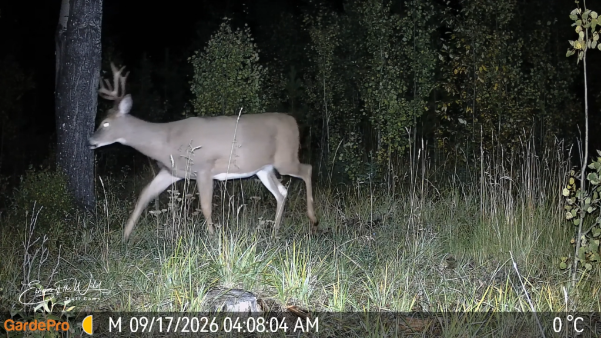
WiFi Trail Cameras: Easier Access Without Removing the SD Card
A WiFi trail camera offers a little more convenience while keeping many of the benefits of a non-cellular setup.
Most traditional WiFi trail cameras create a local wireless connection that lets you access the camera through an app on your phone. You still need to be within the camera’s usable connection range, but you can often review photos, download videos, or adjust settings without opening the camera housing.
The images are generally saved to the SD card, just as they are with a basic camera. WiFi simply provides another way to access them.
For hunters who already visit their property regularly, this can make camera checks easier. Imagine having a camera mounted above eye level along a field edge. Instead of climbing up to remove the SD card every time, you can connect through your phone while standing nearby.
It’s also useful when you want to minimize handling the camera or avoid repeatedly opening its weatherproof housing.
But there’s an important limitation beginners should understand: WiFi doesn’t automatically mean remote access from home.
With a traditional direct-connect WiFi trail camera, your phone must be close enough to communicate with the camera. Trees, hills, vegetation, and other obstacles can reduce the usable wireless range.
If your hunting property is two hours away, a direct-connect WiFi camera won’t send pictures to your phone while you’re sitting at home. You’ll still need to visit the property.
Some newer models offer another option by connecting to an existing home WiFi network. These can provide supported remote features when installed within reliable household WiFi coverage and connected to the internet. However, this is different from the direct-connect WiFi found on many hunting cameras, and the available features vary by model.
For typical hunting setups away from a home network, local WiFi is best understood as a convenience feature rather than a replacement for cellular connectivity.
It can be a good fit if you want phone access without paying for a cellular data plan, especially when your cameras are located on land you already visit frequently.
Cellular Trail Cameras: Remote Photos Without Visiting the Site
Cellular trail cameras solve a different problem: getting images from the camera without having to travel to its location.
When a cellular trail camera captures an event, it can transmit supported photos or videos through a mobile network to an app or online account. Many models also save recordings locally to an SD card.
That means you can check activity from home rather than waiting until your next trip to the woods.
For hunters who manage distant properties, this is a significant advantage. If your hunting lease is several hours away, a cellular camera can provide updates without requiring a long drive just to retrieve photos.
It can also help reduce unnecessary visits to sensitive locations.
Suppose you’ve identified a travel corridor that deer use regularly. With a basic SD card camera, checking activity means walking back into the area. A cellular camera allows you to review recent images remotely, potentially leaving the site undisturbed for longer periods.
Remote image delivery can also be valuable during the weeks leading up to hunting season, when you’re trying to understand whether daylight movement is becoming more consistent.
Of course, cellular connectivity comes with trade-offs.
First, the camera needs usable cellular coverage at its actual installation location. Having good reception near a parking area doesn’t guarantee that a camera placed deeper in a wooded valley will transmit reliably.
Second, cellular cameras generally require a data plan to send images. Some plans are inexpensive for light usage, while others become more costly when you’re managing multiple cameras or transmitting large amounts of media.
Power consumption is another consideration. Sending images over a mobile network uses energy, and frequent transmissions or weak signal conditions can affect battery life.
These factors don’t make cellular cameras a poor choice. They simply mean remote access should solve a problem worth paying for.
If you hunt land that’s easy to visit, you may not need cellular transmission at all. But if you manage a distant property or want to keep human activity around your cameras to a minimum, the added convenience may justify the cost.
Which Type Makes the Most Sense for Your Hunting Setup?
Once you understand how the three types work, choosing becomes much easier. The deciding factor is usually how often you can access your hunting property and how quickly you need the information.
Consider a beginner who hunts a small piece of private land about 20 minutes from home. They want to identify which deer are using a trail and get a general idea of when animals pass through.
A basic SD card camera would likely handle the job. Since the property is nearby, checking the camera during an occasional scouting visit is manageable. There’s little reason to pay for cellular data unless remote updates offer a specific benefit.
Now consider someone who hunts the same kind of property but prefers checking photos through a phone. They don’t mind visiting the location, but they want to avoid opening the camera and swapping cards every time.
A local WiFi camera could be the better choice. It doesn’t eliminate the trip, but it makes accessing photos easier once they’re nearby.
The decision changes again for a hunter with a lease several hours away.
Driving to the property every week just to collect SD cards takes time and money. Repeated visits may also interfere with the very deer movement they’re trying to understand. If reliable cellular service is available, receiving photos remotely can make scouting much more practical.
There’s another situation worth considering: hunting land with little or no cellular reception.
In that case, an ordinary non-cellular camera may actually be the more dependable choice for recording wildlife activity. It doesn’t need a network connection to capture and store images. You may sacrifice remote access, but the camera can continue doing its primary job without waiting for a signal.
And remember, local WiFi doesn’t require cellular reception either. If you’re able to visit the site, a direct-connect WiFi camera can still offer convenient phone access in areas without mobile service.
None of these options is automatically better for every hunter. A cellular camera provides information sooner, but that doesn’t always mean the information will help you make better hunting decisions. For long-term scouting, several days of photographs may be just as useful as immediate notifications.
The right choice depends on the role the camera plays in your scouting routine.
What Else Matters Before Buying Your First Trail Camera?
Connectivity is important, but it isn’t the only thing to consider.
A trail camera still needs to capture usable images consistently. Trigger performance, detection range, nighttime image quality, and sensible camera placement can matter more than impressive resolution numbers.
A camera that produces sharp images but regularly misses animals passing through its detection area won’t be particularly helpful.
Battery life also deserves attention, especially when you’re placing cameras in locations that are difficult to reach.
Basic SD card cameras don’t need power for wireless image transmission. WiFi cameras use additional energy when wireless features are active, while cellular cameras require power to communicate with mobile networks. However, actual battery performance varies greatly with camera design, battery capacity, settings, temperature, trigger frequency, and signal conditions.
Think about how you plan to use the camera. If you’re recording long videos at busy locations, you’ll generally need to pay more attention to both battery life and SD card capacity than if you’re taking a few photos each day.
It’s also worth checking which SD card types and capacities the manufacturer recommends. An incompatible or improperly formatted memory card can cause recording problems regardless of how expensive the camera is.
Finally, consider the total cost of ownership rather than just the purchase price. Batteries, memory cards, mounting accessories, optional solar panels, and cellular data plans can all affect what you spend over a hunting season.
For a first-time buyer, a reliable camera with straightforward controls is often a better starting point than one loaded with features you’ll rarely use.
Final Thoughts: Choose a Trail Camera That Fits How You Hunt
Your first trail camera doesn’t need to be the most expensive or technically advanced model available.
If you can visit your hunting land regularly, a basic SD card camera may provide everything you need. If you want easier phone access while you’re nearby, WiFi can make checking photos more convenient. And if your cameras are far from home, cellular connectivity can save trips and help you monitor activity without repeatedly entering the area.
The important thing is to understand what you’re paying for.
A trail camera is a scouting tool. Its job is to help you learn where and when animals are moving so you can make better decisions in the field. Choose the connection method that supports that goal, and you’ll be much more likely to get real value from your first camera.
This article and its images were written and provided by the great folks at GardePro.