There are a lot of myths and misconceptions when it comes to cold weather hunting, especially subzero hunting. The word alone invokes powerful images of punishing cold and impossibilities. But the truth is, you can hunt lots of game very effectively when it’s cold, from deer to goose. On this episode I get into debunking some of the lies surrounding late season cold. 

Support the show on Patreon.

Hunting below 0 degrees Fahrenheit comes with numerous challenges and obstacles to overcome. Some are technical, some are physical, and some are simply made up. For some reason mystical qualities are applied to cold weather hunting. The simple truth is that there are people in different parts of the world who live, work, and hunt at temperatures below zero for weeks if not months out of the year. Many people see zero as warmer than usual.

But for those who live in warmer climates, this number is seen as some very important threshold and many myths have crept up around it. But the reality is that nothing magical happens at 0 degrees. The animals keep moving, equipment keeps working, and hunting is very possible. But cold weather hunting is more difficult and requires some special strategies for dealing with the cold across all levels.

You need to make sure your gear is fully operational and winterized. You have to be dressed for the cold, and that means more than just wearing super expensive brands. You also need to be sure you are in proper physical condition or take steps to mitigate your shortcomings, so you are not hindered by the difficulties that come with cold weather hunts.

There are some pros to late season artic weather as well. It simplifies hunting some. Where animals go becomes more focused and predictable. There are fewer options on how and where you can hunt. And while it does become harder, some of it becomes simpler as well. Deer patterns change, goose patterns become more predictable, and small game is easier to spot much of the time.

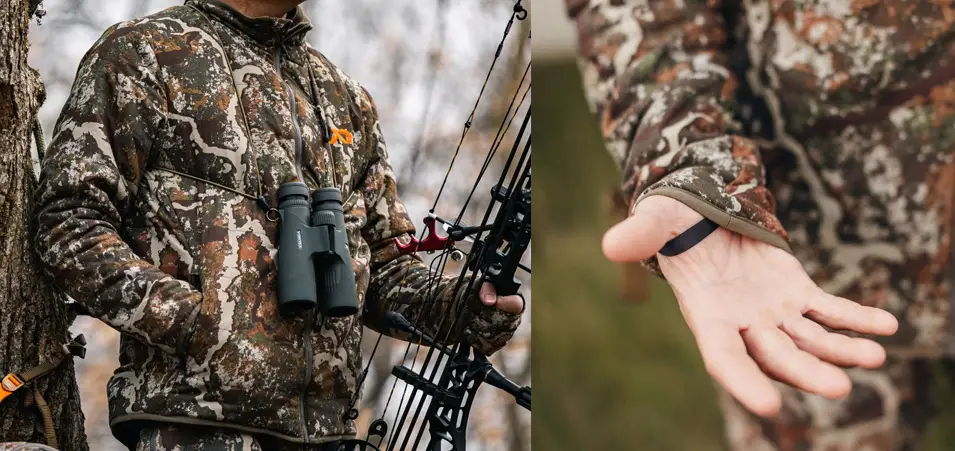
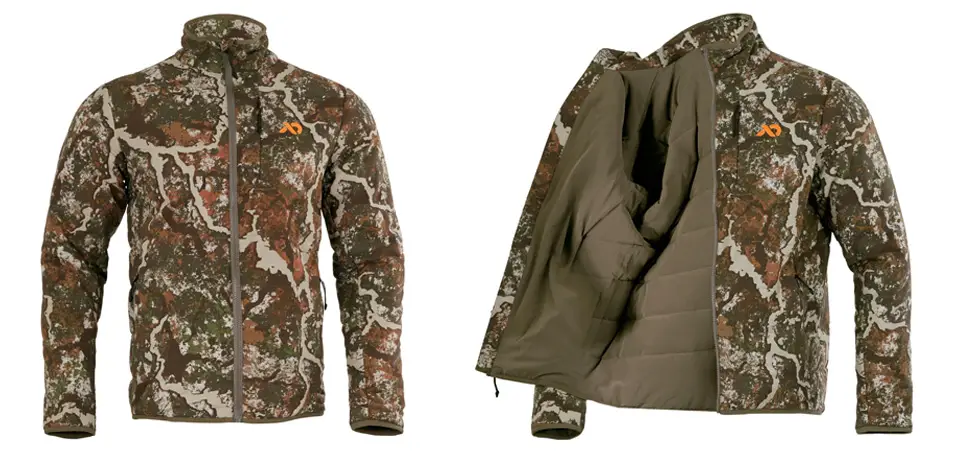
What you wear matters a lot, but it is more about finding the right types of layers than the right brands. Different materials and garments serve different roles and as long as you have those roles covered, you can hunt very effectively even in cold weather, snow, and powerful wind chills.

In this podcast episode I dive into examine five lies about subzero hunting and how you can overcome all of the legitimate challenges to be successful in the woods.

When the winter sets in, is it really worth the time and effort to go waterfowl hunting? Can you really be successful? The answer to those questions may surprise you, however there is not a blanket one-size-fits-all answer either. But there are principles I provide in this episode that can help you answer that question no matter where you are or where you hunt. 

There is a very important and often overlooked truth when it comes to late season duck hunting, and it is this. In most places, not all of the ducks leave for the winter. Now in Alaska, yes, the ducks are gone. But in New York and Pennsylvania and Indiana, and many other northern states, there are birds there year-round. If you can’t find any ducks that does not mean there aren’t any ducks.

The single biggest indicator of ducks is open water. If you can find water that has not frozen, be it lakes, streams, creeks, or rivers, you will find ducks. Or rather ducks can and do live there year-round. Some people have their best hunting in the winter because it concentrates where the ducks are and can hang out.

Another very often overlooked element is the concept of a fluid migration. Ducks do not just fly dead south until they hit the Gulf of Mexico and perch on the shore all winter. Many fly south until they find more comfortable weather, and when there are warm weeks they will drift back north some. They may be pushed further south again by a cold front, but birds move a lot. A duck may fly 100 miles for breakfast. They are very capable and mobile creatures. If you do not see birds in your area in the late season, just wait. Cold or warm weather could bring birds in from different directions.

The biggest consideration of late season hunting is safety. Falling in a stream when its 70 degrees outside is inconvenient. If it’s 20 degrees, that can be life threatening. You need very safe strategies to set up decoys and recover birds if you are hunting around water. Having gear that is up to the task is also important. You need to be able to stay warm and dry even in harsh weather conditions. High wind is much more common this time of year as well. But I think this can be a very effective time of year for most hunters. 

Late season hunting can be very good hunting, some of the best of the year, but it takes a little different approach.

Listen to the full podcast episode to hear all of the details. 


Is it really even worth your time and energy to hunt deer in the late season? The most direct answer I can give is, sometimes. But it depends more on your willingness to learn and adapt than any particular hunting skill. On this episode I talk about the differences of late season hunting and how you need to change your strategy in order to find consistent success. Anyone can do it, if you have the drive to do it right. 

The biggest problem with hunting in the late season is people have less drive and motivation to put in the effort needed to hunt successfully. They don’t realize the late season is different than the early season or the rut. They don’t realize the deer behave differently, use the land differently, and move to different locations.

If you want to be successful in the late season you need to scout for the late season, prepare for it, and establish hunting spots for it. You almost need to treat it like a unique game/season altogether.  The same spots, tactics, and timing of the early season rarely works here. And the only time you can effectively scout for the late season is during the late season. So very few people have the best hunt they can have at this time of year because do not go to the ends needed to make it work well. But you absolutely can.

People tend to get busier with holidays, family, and work. Also, the excitement of early season and rut hunting wears off, so it becomes doubly hard to muster the motivation to scout and prepare. Weather and gear become an obstacle too. But you can extend the capabilities of your gear with a few tricks and tips I mention in this episode. 

The biggest thing hunters must have is the will to hunt this season. If you can muster that, you can be very successful. There also some significant advantages to hunting in the late season as well. In fact, you can accomplish a lot with minimal time hunting, if you put in all the work needed up front.

The single best piece of advice I can give you is to scout the late season on years when you are not hunting it. When you learn how deer use the land one year, they will very likely use it in similar ways the following years. So scouting when your tags are full is a great way to help you prepare for hunting next year. Time invested now can pay off in future seasons.

Listen to this whole podcast episode to hear all the details strategies about late season deer hunting. 


Disclaimer: TideWe gave me this vest to do this review, and I earn from qualifying purchases using their links and code, thanks to them for their support.

The new TideWe Turkey Hunting Vest with adjustable seat and game pouch is one of the best values in turkey hunting vests that I have seen. What you get for the money is really impressive. When my old turkey vest broke, I began the search for a replacement. I looked at some really expensive options and then came to TideWe and when I saw the price and the features, I felt I should give it a try.

Now having hunted spring gobblers with this vest, I am all the more certain that my initial impression was accurate. But being less expensive than the competition only matters if the gear is good.  So, what makes this vest so good? In short, this thing is rugged, very strong, comfortable, has more pockets than anyone should ever need, and has a very sturdy seat that is the most comfortable of any vest I’ve used. This review goes in way more depth on all these points, but I have become a big fan of this turkey hunting vest, though I did not feel that way at the beginning. More on that in a moment.

The cost for the TideWe Turkey Hunting Vest shipped is usually about $90, but with the 18% off discount code TideWe gave me, you can get it for about $74. And sometimes it goes on sale for even cheaper than that. Just enter the code GK18 at checkout to get the extra discount.

How I Went From Hater To Fan In One Hunt

When I first got this vest I have to admit I was very disappointed. My old vest was very light weight, trim, sleek, and minimalist. When I tried the TideWe vest on in my living room it felt bulky, cumbersome, and I hated how the seat cushion deployed. I was so close to sending it back before ever using it. BUT I figured I had to try it in the woods first, after all it was not designed to excel in the living room, it was made for the woods. 

So I loaded the vest up with my calls and gear and headed out on a big day of public land hunting. By the end of that first day my opinion on the turkey vest had totally changed. It didn’t feel bulky at all. The way the pockets were designed and how the material folded, provided no hinderance to me at all in the woods. In fact, after awhile I preferred it to my old vest in alot of ways.

In my old vest I could feel the box calls in the pockets jabbing into me, I could feel the range finder and strikers for the slate calls. This vest was thicker, had more substance, more material, better and smarter curves. Almost all of the gear was stowed without hindering me or reminding me every moment I was carrying it. 

And this vest was rugged, I was not afraid to break brush with it, not concerned it might break like my weak old vest did. This thing was impressive.  And after a few hours I got used to how the seat deployed and it didn’t bother me at all. I went from hater to fan in one hunt. This is why you should take unboxing videos and “reviews” with a grain of salt. If people haven’t hunted with a piece of gear, their opinion is only worth so much. For more information on turkey vests, check out my podcast episode: All About Turkey Vests.

Features

The TideWe Turkey Hunting Vest comes loaded with features, even more than the website advertises really.

  • The first thing you notice about this vest is that it’s strong, rugged, and well made. It is a turkey hunting vest that is made to be a workhorse. 
  • The next big feature is the padding. There is very nice padding along the back, enabling you comfortably lean up against even the most knurled tree trunk.
  • The back also has a nice breathable mesh which helps you from getting too sweaty on days when you are covering alot of ground.
  • The seat cushion is very thick, sturdy, and comfortable. You really couldn’t ask for more in the seat, and one side is waterresistant and stiff while the other camouflaged and soft.
  • The seat folds up and secures to the back of the vest via a strong magnet. This enables you to easily pull it loose and fold it down to sit on without having to look at it. You can easily get used to this, but one downside is the magnet is not as strong as I’d like and it can be a little challenging to secure it on the fly.
  • Next you have the pockets, lots of pockets, somewhere around 12-15 pockets depending on what you count. There are pockets made for all your turkey hunting gear, box calls, slate calls, mouth calls, other calls, shells, phones, snacks, turkeys… you name it.
  • There is a large game pouch in the back that will certainly fit a large gobbler. I am not a fan of putting turkeys in game pouches because I don’t want to damage the feathers, but I also do not hunt turkeys deep in the mountains either. The pouch might get more use if you used this vest hunting other game, more on that in a bit.
  • There is also a large back pocket that gives you the space of a small backpack, but I wouldn’t put a lot back that if you plan to lean up against trees.
  • There are two nice camo patterns, both look great, and overall the material is relatively quiet and the pockets that have zippers are fairly quiet as well. 

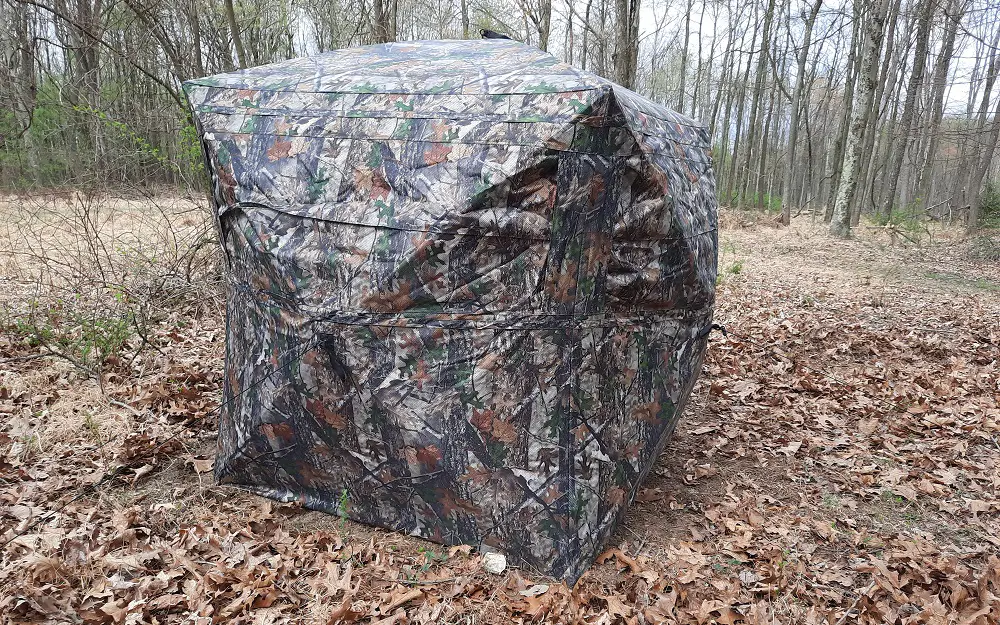
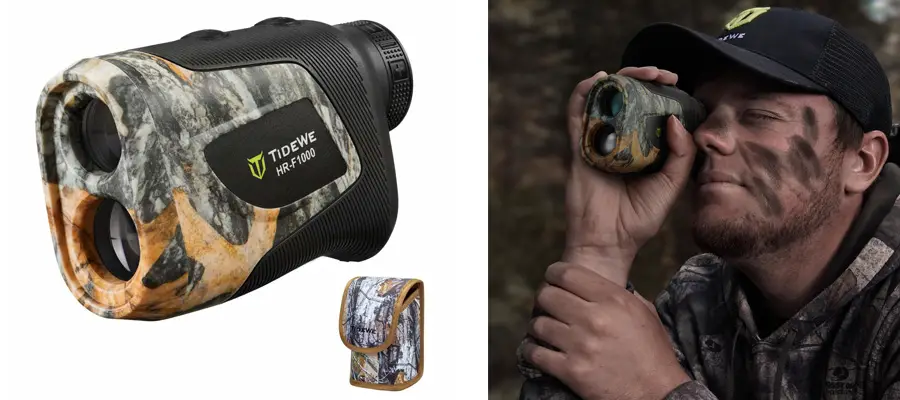
TideWe really has been making some high-quality gear in recent years. Check out my TideWe See Through Hunting Blind Review, its great for turkey hunting as well, and my TideWe Hunting Range Finder Review.

How It Performs In The Woods

All the features in the world don’t matter unless the vest performs well. And this one really does. I have covered a lot of miles wearing this vest and spent a fair amount of time sitting in it too. I feel very comfortable and confident in it. Never do I have to worry about maybe breaking it. This thing can also carry way more gear and provisions than I could ever need, the storage capacity is off the charts for a turkey vest.

When I’m calling, I feel no restrictions, I can easily access my gear, its comfortable, and lets me hunt wherever and however I want. Honestly it does just about everything I want a turkey vest to do. If you paid more money for more expensive vests, you would get lighter, but less durable options, fancier pocket fastener technology to avoid more zippers, and perhaps more streamlined designs with fewer straps and clips but likely less adjustability. So more expensive options don’t gain you much, you have some trade offs, but nothing that is really going to help you take more turkeys. In the woods, this vest does its job and does it well. 

Multi-Purpose Options

This is 100% designed as a turkey vest, but it can be a multi-purpose hunting piece. You can remove the seat to use this in a blind, either for turkeys or also waterfowl hunting. It would nicely for hunting squirrels or small birds. You can fit a lot of game in the pouch, and a lot of gear and ammo in the pockets. It could also be used for predator hunting, thanks to that nice seat giving you good dry comfortable options after hiking a long way.

I don’t think people take advantage of some of their gear, this vest can help you do a lot of things. This is durable enough to be used across many hunting seasons. I would encourage people to think outside of the box for numerous different hunting pursuits. They also make a version of this vest with a kick stand that enables you to sit upright even when there is nothing to lean up against. For some people, that version can help open up new hunting areas. But this one is better for me.

Pros & Cons

Pros

  • Strong & Durable
  • Very comfortable padding and seat cushion
  • Adjustable and removable seat cushion
  • Breathable
  • Lots of pockets
  • Quiet
  • Well designed to fit big awkwardly shaped turkey calls
  • Nice zipper extensions to aid those wearing gloves
  • Game pouch
  • Outstanding value

Cons

  • A bit heavy
  • The magnet that secures the seat could be stronger
  • There are a lot of straps, clasps, and adjustments to figure out when you get it, and some straps dangle
  • The seat storage and deployment technique takes a little practice to get used to

Conclusions & Recommendations

Overall the TideWe Turkey Hunting Vest is one of the best options on the market for new hunters and experienced hunters alike. I used to use a more expensive turkey vest, but I think this one is better. For the money, you get a very high-quality piece of gear with some features that even the more expensive brands cannot beat. Don’t forget to enter this 18% off discount code at checkout: GK18 to get the TideWe Turkey Hunting Vest even cheaper.

I have been very impressed with some of the gear that TideWe has been cranking out over the last couple of years. Again and again they put high quality items on the market for price points that are very hard to beat. And like many other pieces of gear from them, the great strength of this vest is the great combination of performance and value. 

Be sure to listen to The New Hunters Guide Podcast and check us out on YouTube

Till next time. God bless you, and go get em in the woods!

George Konetes Ph.D. – Founder and Host of the New Hunters Guide.

The New Hunters Guide is simply what George wishes he would have had when learning how to hunt; a single place to get practical hands on knowledge about different kinds of hunting, gear, strategy, and tips that can improve your comfort and fun factor in the woods.
As a note, TideWe gave me this vest at my request for testing, thanks to them for their support.

Are you tired of hauling a lot of heavy gear into the woods? There is a false perception that you need a ton of gear to hunt waterfowl successfully. In this podcast episode I am going to cover five minimalist duck hunting setup that are low cost and light on equipment.

Waterfowl hunting is one of, if not the most equipment intensive types of hunting. There are so many things to buy and use that you can spend your life building out the perfect set of gear. For new hunters especially that just isn’t practical, but diverging from the norm is not welcomed by the establishment. People with decades worth of gear accumulated don’t love the idea of new people heading out into the woods with minimal gear and being successful. So other ways of hunting are often suppressed by the culture. But that’s crazy and there are lots of great ways to hunt ducks and geese with minimal gear.

When I say minimal, I think looking at it from both the standpoint of hauling that gear in and reducing the needed investment to successfully hunt waterfowl. If you are able to get a handful of items and still take ducks, that is a big win for a new hunter, and it is very possible. In fact, there are many ways to do it.

An obvious approach is the conventional hunting strategy with minimal gear. A set of waders, a half dozen decoys, a call, and a shotgun can be all that you need to be effective and bring home birds. Sure, 6 dozen decoys may work better, but one person can easily carry 6 singles into the woods with a pair of waders, improvise a blind and get shots at ducks. 

Jump hunting is another great way to hunt, as long as you are not in an area that is overrun with other hunters. You do not want to be walking around and messing up other people’s hunts. But provided you can get away from most other hunters, you can have a great time sneaking through the woods trying to get to the edge of streams, creeks, lakes, ponds, and puddles looking for unsuspecting birds. All you need to do this is a gun and a way to retrieve the birds from the water, typically a backpack with breathable waders stuffed inside works great.

Listen to this full podcast episode to hear all the five minimalist duck hunting strategies and which are a good fit for you and your hunting style.

Donating a deer is important and can make a big difference in the lives of many people. But on this episode I am going to share some stories and guidelines for how to NOT donate a deer to a feeding program like Farmers and Hunters Feeding The Hungry or Hunters Sharing The Harvest.

Donating venison is an honorable thing. Foodbanks often supply people in need with canned goods, non-perishables, and carb rich foods but meat of any kind may be rarely available due to the cost. Venison is able to provide people who are food insecure with high quality lean protein. People will often wait in line or check back constantly with hopes of venison becoming available. If the meat portions they receive are lousy because the hunter was careless, we’ve hurt a person we could have helped.

Proper field care is a huge part of bringing back quality venison to donate. But simply being considerate as a human being is needed first. You must not leave a deer over night or for several days in the woods and bring it to donate. These carcasses are unfit and unsafe for human consumption and a good butcher will throw the entire thing away. You cannot bring animals that have been half eaten by coyotes. The bacteria and disease present in these situations makes the meat unsafe almost instantly. 

Just because you’ve eaten questionable meat and been ok does not mean its ok. Children, the elderly, and those with weakened immune systems can become seriously ill by eating something that your body seems to process ok. And people who are food insecure and nutrient deprived may be at elevated risk levels. You are providing meat to people who due to their poverty may have compromised health.

The deer that we donate should be the best deer we can take out of the woods, not some scheme to get a butcher to cut off the antlers for us for free. In fact the deer we donate should be better than the venison we put on our own tables. Keep in mind someone is paying to have that deer butchered and given to food banks, soup kitchens etc. These are often individual donors, local churches, small businesses and others who pay the financial cost of deer processing, so the hunters do not need to pay money when they donate their animal.

We need to strive to provide the best possible meat for families in need. If you are going to donate a deer, donate your best, not your worst.

Listen to the whole podcast episode for so much more.


If you want to hunt ducks, you need to be able to hide. But how can you do that cheap? Are there cost effective approaches to waterfowl hunting blinds, or do you need to spend big money? On this episode I cover four strategies for hiding on the cheap.

Hiding is synonymous with waterfowl hunting. You must have cover if you want birds to voluntarily come into shooting range. And you need to have cover even more if you are trying to sneak up on the ducks.

The hunting industry has answered this fundamental need with a great many expensive contraptions such as A-Fram blinds, lay out blinds, dog blinds, and many more. Generally speaking, these options all work in the right situations. But are there cheaper ways?

Not long ago, none of these hiding options existed. They were nowhere to be found. All hunters built or improvised their own blinds, most often temporary ones, used for just one hunt. Occasionally they had the luxury of using one a couple of times. Setting up a blind was as much of part of the morning routine as putting on your waders or setting out the decoys. But today, much of this has been lost, replaced with expensive alternatives.

In this podcast episode I harken back to the days of waterfowl ingenuity, empowering hunters to hide for little or no budget at all. Some of these options are clear cut, while others are unorthodox, but each one works in the right situation. If you want cheap options for concealment while hunting waterfowl, you need to listen to this short episode.

Spoiler alert, a lot of expensive blinds you can buy save little to no time, are not less work, and do not hide you better than many of the strategies in this episode. There are times when purchased blinds are very helpful, but more often than not, they provide comparable effectiveness with increased complexity.  You do not need that to get started. You can go into the woods tomorrow, and setup a good hide for cheap or free and hunt ducks.

You can save your money for other waterfowl hunting necessities like waders, call, decoys, ammo, shotguns, camo, boots, gloves, sleds, etc. Buying a blind is always something you can do later. But you do not need to do it to get started. In fact, many expert waterfowl hunters never do it all. They hunt every day of their season, year after year, following the simple strategies I detail in this podcast episode.

If you want to buy blinds, great, go for it. But you should also know these simple strategies to help you in uncommon hunting scenarios when purchased hunting blinds are not as effective or you just cannot get them to the spot you are hunting.

Listen to the whole episode to hear the details.

Archery deer hunting is growing but there are a lot of people in the woods with bows who should not be there, YET. They are missing fundamental knowledge or skills to hunt deer effectively and reliably with a vertical bow. On this episode I talk about five crucial areas that every archery hunter needs to know about and develop proficiency in before they begin taking shots at whitetails.

Archey is a very fun, challenging, and rewarding pursuit. Hunting with a vertical bow is appealing for a wide variety of different reasons. And most people can learn to do this effectively. However, too few hunters understand the challenges unique to this style of hunting and go unprepared into the woods only to have problems, failures, and worse.  Often, they should hunt with a rifle or a crossbow until they develop the needed proficiencies for a vertical bow.  

Understanding these five things will save you from a lot of difficulties and disappointments. There is no shame in going into the woods with a different tool if you are not ready or able to do what it takes to hunt properly with a bow. We are talking about an investment in preparation, it has nothing to do with the character or ability of the person. Anyone could prepare if they have the time, energy, and health to do so. And maybe they can and will in the future, but for now they should hunt with the tools they are able to use with greater proficiency.

The first and most obvious of the five reasons you should not hunt with a bow is you do not practice enough. This is about skills and conditioning. Proficiency in archery is a perishable skill. It decays quickly with time. A few weeks can cause you to lose a lot of ground. There is head knowledge and skill you will retain for your lifetime, but conditioning means everything when it comes to being able to reliably hit a target under field conditions.

Ideally you want to learn to shoot, from an instructor or expert of some type. Then you need to practice, a lot, and for a long time. You should start practicing around two months before the season starts. Start practicing 3 days a week and then bump it up to 4 or 5 once you get your initial conditioning. These do not need to be long sessions; 20 minutes can be plenty. But you need to shoot often and throughout the hunting season to stay sharp.

This is not just about being able to hit a target but being able to draw even when stiff and cold, under field conditions, with cold weather gear, in a tree, holding a draw for a long time, fighting off nerves, and finally taking an ethical shot. This is taxing on your body. You must practice a lot to able to do it when it counts. If you are not able to practice enough, you should probably use a crossbow for that season. Crossbows require a much lower level of conditioning. 

The most responsible and wise hunters know their limits and deficiencies and takes the appropriate action to make up for them. Newer hunters especially do not have enough experience to know what they do not know. They have blind spots. We all have blind spots at times, but when we are just getting started, they can be very large blind spots. I can tell you from experience, the best and fastest ways to learn is to practice, study, and learn from the mistakes of others. If you want to hunt with a bow, get one today and start practicing. But wait, even till next season if needed, until you are prepared and can check off all five things mentioned in this episode. 

Listen to the entire podcast episode to hear all 5 reasons why you should not hunt with a bow.

Like any tool, there are benefits to upgrading a deer hunting crossbow, but when should you do it and what should you look for? On this episode I give some guidance for when to upgrade a crossbow, what to look for in a new bow, how to make wise budget decisions, and what you realistically will not gain from a new crossbow. 

The right time to upgrade your crossbow often intersects with something going wrong with your current bow or hunting experience. Either you have equipment wear out, failure, or maybe you have a hunting failure that causes you to cast doubt on your bow. Sometimes we get distracted by better bows but usually it is something going wrong that pushes us to make a purchase right away. Be careful in these moments not to jump to conclusions.

Sometimes you can repair a broken bow, sometimes nothing is wrong except your confidence takes a hit and practice may fix that much cheaper than buying a new bow. Be calm, patient, thoughtful, and think about the investment needed to get a bow that is better. Ideally you want a better bow, something with better features that will help you improve your hunting experience. Just replacing a bow may do the job, but you are probably better off with a short-term fix while you look for the right better bow.

A crossbow is a very sophisticated tool that is full of nuances. There are so many things to gain with a better crossbow in terms of comfort, feel, balance, features, ease of use, increased range, and less weight. However, if you have a working crossbow, chances are low that a better one would do much to enable you to take home more deer. A better crossbow makes the hunting experience easier and/or more enjoyable. But it often does not make it more effective.

This puts crossbows into a special category of gear where features have value but in the end they will do little to bring home more deer. That does not mean you shouldn’t upgrade your crossbow. On the contrary, you should simply upgrade with realistic expectations and timing.

I have found the best time to upgrade crossbows is around the end of season sales. You can often get a new crossbow that is very discounted. The trouble is you often cannot find the bow you have your heart set on in this way. It is better to simply follow the sales, look for the biggest discounts on credible brands trying to move last year’s model or clear inventory space and you can sometimes get a bow for as much as 50% off. By doing this you can upgrade a few levels higher in bow quality and function for alot less money.

However, if you have your eyes on one particular bow and you have to have that brand and model, your best bet is to save up your money and wait for even the most modest sale to come along. 

Listen to the full podcast episode to hear alot more about when to upgrade and how to pick a new crossbow.

Every duck hunter makes mistakes, it is unavoidable. But there are some big terrible blunders that are easily avoidable with just a little bit of knowledge. On this episode I discuss three huge blunders and give you the simple insights needed to never make them yourself. 

The definition of a blunder is a stupid or careless mistake. You will not be able to avoid all mistakes, but you can avoid blunders. One of the best ways to learn is from the mistakes and blunders of others. Which is why I share some of the big blunders I’ve watched other duck hunters make. Some of them are a bit funny they are so bad. But each teaches us valuable lessons to become better duck hunters.

Listen to this full podcast episode to hear about the blunders and the lessons learned.